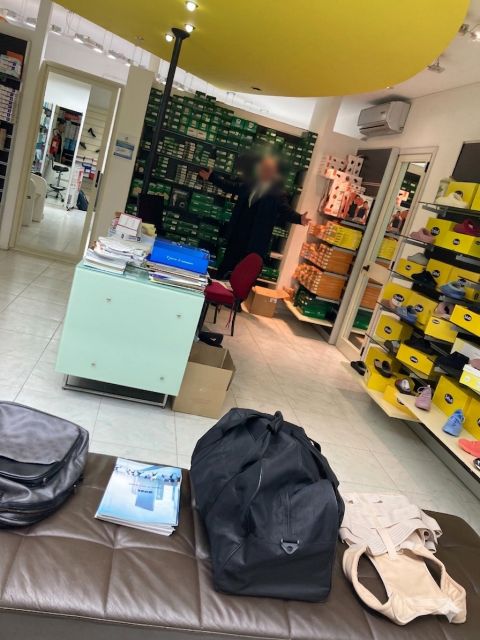
Pharmacy appointment yesterday. The purchasing manager an hour late — they tell us as soon as we arrive. "If you'd like to wait..."
I looked at my sales rep. I said yes.
What we did in that hour
Instead of waiting passively, we used that time to develop a new stock recording method. Not the usual note of missing products — something more useful: recording directly the quantities needed for complete restocking.
A reverse inventory. Not "what's missing", but "how much do you need to have a full, well-organised shelf for the next few weeks".
When the purchasing manager arrived, we already had everything ready.
"Waiting time isn't wasted time. It's time to use better than others."
How the negotiation went
We had the data, we had the quantities, we had a concrete proposal already structured. We didn't start from the price list — we started from the shop, from what we had observed and measured in the hour before.
Result: we revised the commission copy and introduced a new product.
Don't observe passively — work. Do a quick shelf audit, record stock with restocking quantities, update client notes in the app. When you walk into the meeting you'll have something that someone who arrived on time doesn't: fresh information on the shop, gathered ten minutes before.
The leadership lesson
The sales rep I was with that day saw how to work a waiting period. I didn't explain it — they lived it. A manager's behaviour in downtime is just as formative as their behaviour during meetings.
If the area manager waits passively, the agent learns that passive waiting is acceptable. If they use the waiting time, the agent learns to do the same. No need to say it. Just do it.
The negotiation went well. But the thing I'll remember from that morning is the hour before — not the negotiation.