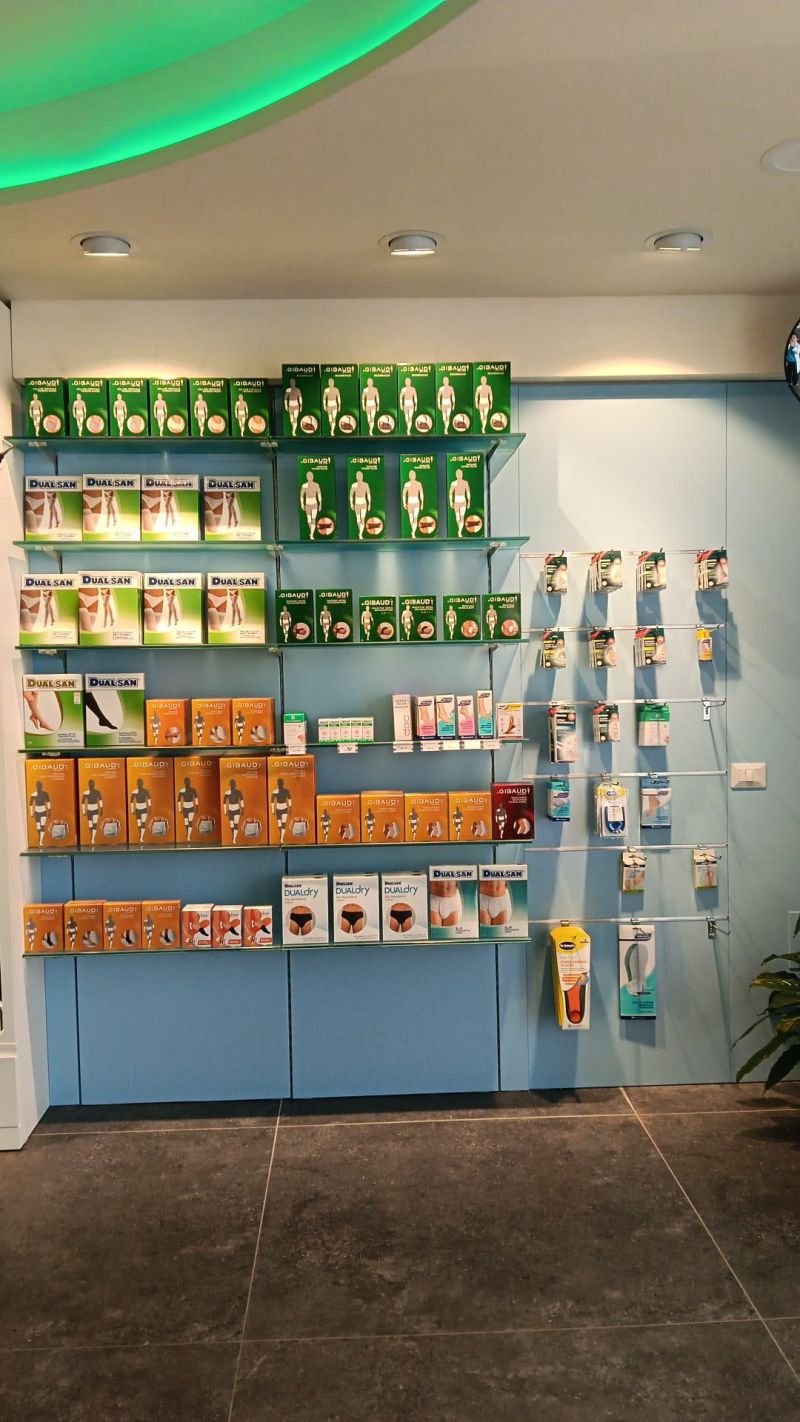
For years I thought having lots of product on the shelf was an advantage. More SKUs present, more chances the pharmacist would sell something of ours. More space occupied, more visibility. Seemed pure logic.
Then I started looking at the data properly, pharmacy by pharmacy, and realised the correlation was the opposite: clients with more SKUs on the shelf often had lower sell-out per individual SKU, higher stock levels, and more resistance to reorders.
The problem wasn't the product. It was the logic I was applying to place it.
The paradox of choice on the pharmacy shelf
A pharmacist with 12 orthopaedic brace SKUs on the shelf has a problem they don't know they have: when a customer walks in asking for "something for the knee", they don't know what to recommend. Too many options paralyse the recommendation. The result is they sell the product they know best — often the market leader brand they've used for twenty years — or the cheapest, to close quickly.
Having 12 SKUs on the shelf doesn't give you 12 sales opportunities. It gives you 12 chances to confuse the pharmacist and make them fall back on something else.
"In the pharmacy channel, the winner is whoever has the right product in the right place — not whoever has the most products everywhere."
What I changed in my approach
I stopped measuring a client's success by the number of SKUs on the shelf. I started measuring it by depth: how many units do they sell per month on our top-of-range product? How well does the staff know the product? How often do they reorder without us asking?
In practice, this means walking into a pharmacy and sometimes proposing to remove SKUs rather than add them. To concentrate space on the three or four products that make sense to push in that specific pharmacy, based on its catchment area, prevalent condition, and positioning.
The concept of lead product by territory
A pharmacy near an orthopaedic hospital makes sense to focus on post-operative braces and the premium range. A rural pharmacy with elderly clients makes sense to develop chronic lower back pain and high-rotation OTC products. A city-centre pharmacy with an active clientele makes sense to build the sports and wellness range.
Same catalogue, three different strategies. This is the area manager's job: not distributing the catalogue equally to everyone, but building an assortment that makes sense for that specific client.
For each pharmacy, identify the main product you want them to sell well. Make sure it's displayed correctly, that the staff know it, that it has visible stock. Only then add a second product. Not the other way round.
Concrete results
I applied this approach systematically across my network over the past year. On a sample of 30 pharmacies where I reduced active SKUs and concentrated work on key products: average sell-out per SKU up 34%, higher reorder frequency, and — a figure I didn't expect — fewer returns.
The pharmacist who sells 4 products well reorders spontaneously. The one with 15 slow-moving products waits for you to come knocking. The difference in workload for the agent is enormous.
The difficulty: convincing the agent (and yourself)
The hardest part isn't convincing the pharmacist to reduce SKUs. Often they're convinced before you are — you free up space and simplify their management. The hard part is convincing the agent — and yourself — that "selling fewer products" doesn't mean "selling less".
It requires a mindset shift about what doing your job well means in this channel. An agent who walks into a pharmacy with the goal of increasing shelf SKUs is optimising the wrong metric. What matters is sell-out, not the number of codes listed in the catalogue.
Twenty years in the pharmacy channel have taught me many things. This is one of the most counterintuitive: often the best way to sell more is to stop trying to sell everything.